Search products by name
Radiant Heaters for Patios: The Efficient Solution for Heating Restaurant, Hotel and Outdoor Spaces
#Technical articles
16/9/2024
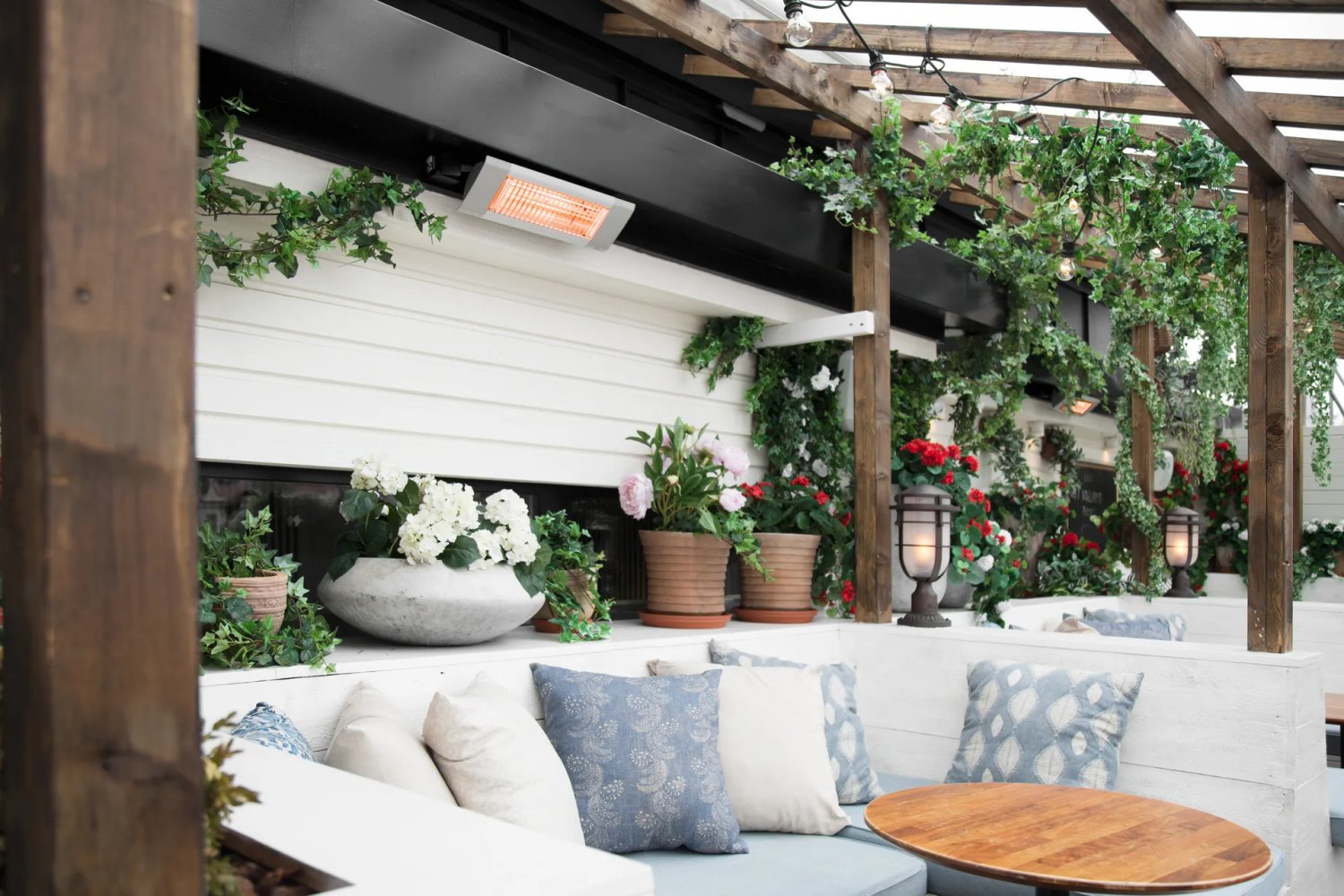
Enjoy Your Outdoor Terrace All Year Round
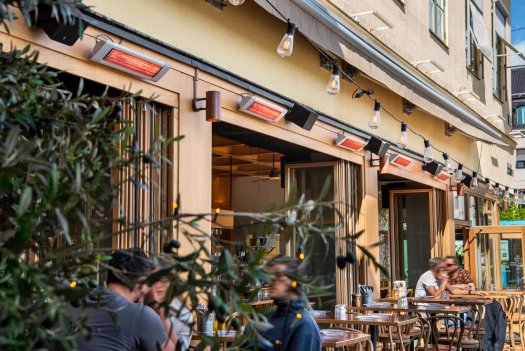
Outdoor terraces have become an essential feature for many hospitality businesses. Restaurants, cafés, hotels, rooftop bars and chill-out areas all aim to provide guests with a comfortable outdoor experience throughout the year, even when temperatures begin to drop.
However, heating an outdoor space presents unique challenges. Unlike indoor environments, where warm air remains relatively contained, heat quickly dissipates on an outdoor terrace due to wind, air movement and the lack of enclosed walls.
This is where infrared radiant heaters offer a highly efficient, comfortable and sustainable solution. Instead of heating the surrounding air, they transfer heat directly to people and objects, providing an immediate feeling of warmth while optimising energy consumption.
For this reason, an increasing number of restaurants, hotels and hospitality venues are choosing radiant heaters to extend the use of their outdoor spaces, enhance customer comfort and maximise the profitability of their terraces.
Why Is It So Difficult to Heat an Outdoor Terrace?
Traditional heating systems are designed to warm the air. While this works effectively indoors, it is far less efficient in outdoor environments.
On an open terrace, warm air naturally rises and quickly disperses into the atmosphere. Even a light breeze can carry the heat away almost instantly, forcing conventional heating systems to operate continuously without delivering a comfortable environment. This often leads to several drawbacks:
- High-energy consumption.
- Poor heating efficiency.
- Uneven temperature distribution.
- Reduced customer comfort.
- Higher operating costs.
For this reason, heating the air itself is rarely the most effective solution for outdoor spaces.
What Is a Radiant Heater?
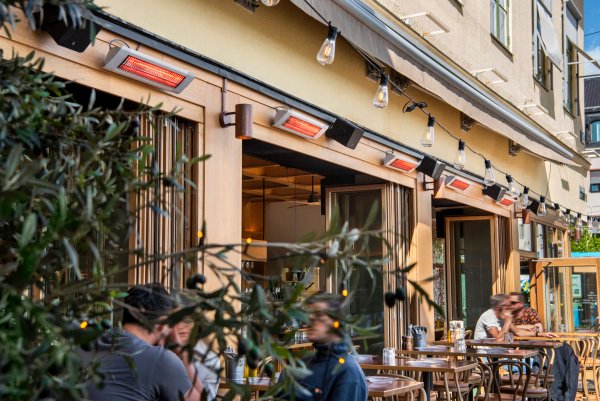
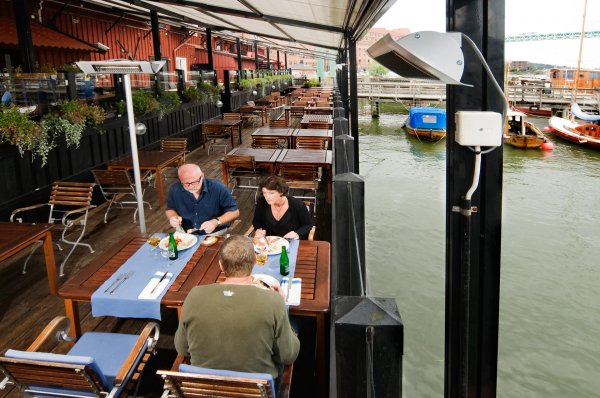
A radiant heater is a heating system that emits infrared radiation, a form of energy that transfers heat directly to people, furniture and surrounding surfaces without first heating the air.
Its operation is similar to the warmth of the sun on a cold winter day. Even when the air temperature is low, direct sunlight provides an immediate sensation of warmth.
Infrared radiant heaters apply the same physical principle, creating comfortable, uniform and almost instantaneous heat.
Because the heat is transferred directly rather than through the surrounding air, wind has a much smaller impact on the system's performance compared with conventional heating technologies.
How Does Infrared Heating Work?
When a radiant heater is switched on, its heating element emits infrared radiation towards the area that needs to be heated.
As this radiation reaches people, furniture or other surfaces, the energy is converted directly into heat. This operating principle offers several important advantages:
- Heat is felt almost immediately.
- There is no need to wait for the surrounding air to warm up.
- Comfort is delivered precisely where it is needed.
- Energy is not wasted heating unoccupied areas.
These characteristics make infrared radiant heaters particularly suitable for outdoor and semi-outdoor environments where continuous air exchange makes traditional heating inefficient.
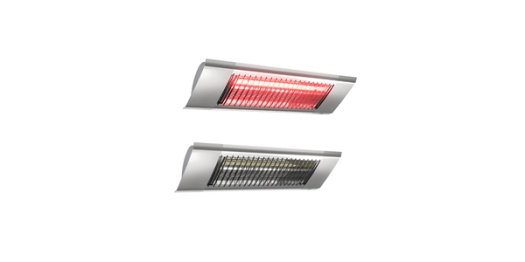
We can differentiate between infrared panels with carbon lamps and those with halogen lamps. The application areas of both types of infrared panels are similar. Generally speaking, the closer the panel is to the area being heated, the more suitable a carbon panel will be, as it emits a gentler heat. Conversely, when the installation location is further away from the surface to be heated, a halogen panel provides better results.
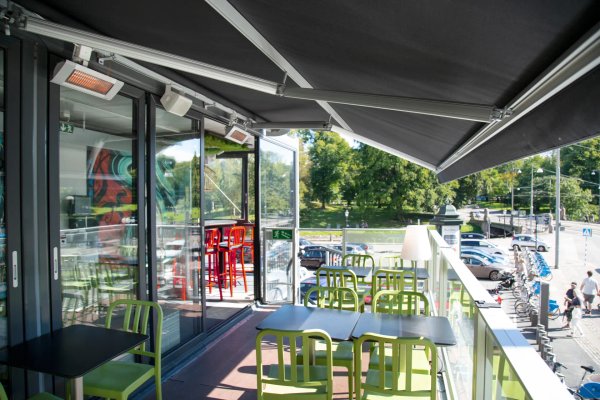
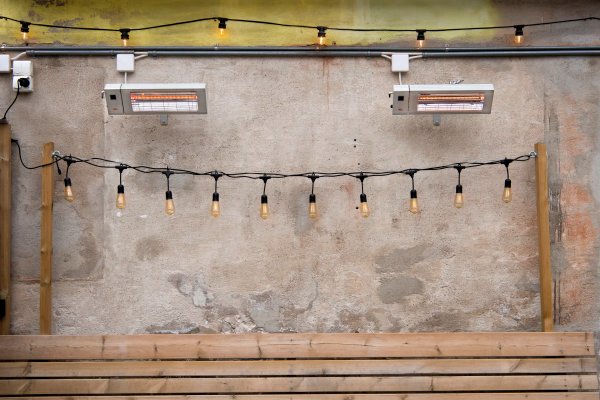
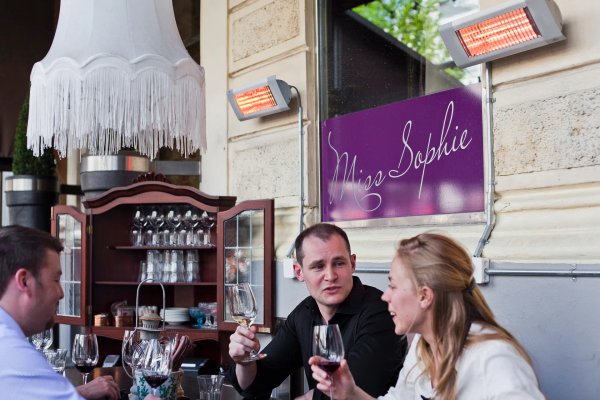
The Ideal Heating Solution for Restaurants and Hotels
In the hospitality industry, customer comfort has a direct impact on the overall experience.
A warm and comfortable terrace encourages guests to stay longer, improves their perception of the venue, and allows outdoor areas to remain in use throughout colder months.
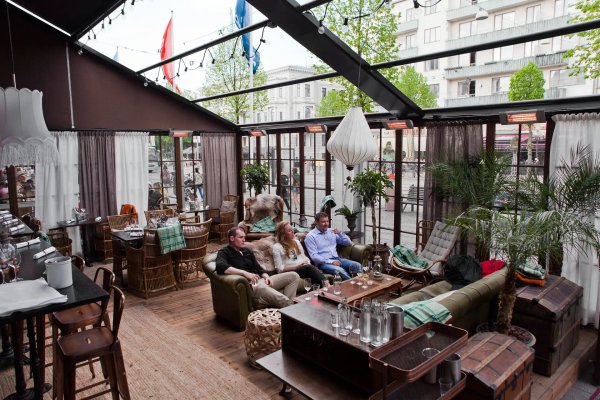
Radiant heaters make this possible without requiring permanent enclosures or major building work, allowing businesses to maintain open and welcoming outdoor spaces.
Typical applications include:
- Restaurant terraces.
- Café seating areas.
- Hotel patios.
- Bars.
- Rooftop bars.
- Beach clubs.
- Covered terraces.
- Pergolas.
- Lounge areas.
- Hotel entrances.
- Smoking areas.
- Outdoor event spaces.
Their sleek design also allows them to integrate discreetly into modern architectural environments without compromising aesthetics.
Key Benefits of Radiant Heaters
- Instant Heat
Unlike conventional heating systems, radiant heaters provide warmth almost immediately, allowing customers to enjoy a comfortable environment as soon as the system is switched on.
- Improved Energy Efficiency
Because they heat people and objects directly instead of the surrounding air, radiant heaters make much more effective use of energy, especially in open or semi-open spaces. For example, using infrared radiant panels (2 x 1000 W) for 2 hours with an energy consumption of 4 kWh and at an energy price of €0.3/kWh, would only cost €1.
- Zoned Heating
Individual heaters can be positioned to warm specific seating areas, ensuring that energy is only used where it is actually needed.
- Silent Operation
Without fans or air circulation systems, radiant heaters operate silently, making them ideal for restaurants, hotels and hospitality environments where acoustic comfort is important.
- No Air Movement
Infrared heating does not create draughts or circulate dust and airborne particles, contributing to a more pleasant and comfortable environment.
- Low Maintenance
Electric radiant heaters require very little maintenance because they contain no burners, fuel systems or combustion components.
- Elegant Design and Easy Integration
Modern radiant heaters are available in a wide range of finishes and designs that integrate seamlessly into pergolas, ceilings, façades and existing outdoor structures.
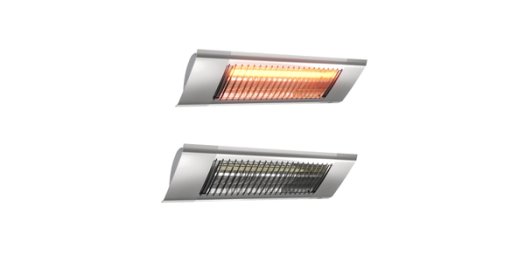
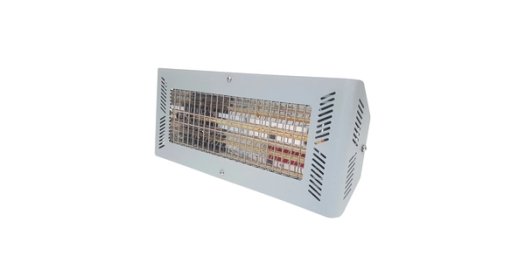
Technology Designed for Maximum Comfort
Although all radiant heaters operate using the same basic principle, the quality of the equipment has a significant impact on efficiency, durability and user comfort.
Among the leading manufacturers in this field is Frico, the Swedish company renowned for developing high-performance heating solutions for both indoor and outdoor applications.
Its product range includes infrared radiant heaters for cafés, restaurants, hotels, commercial buildings and industrial facilities, offering different heating technologies to suit a wide variety of installations.
Choosing a high-quality radiant heater not only improves energy efficiency but also ensures more uniform heat distribution, longer service life and reliable performance, even in demanding outdoor environments.