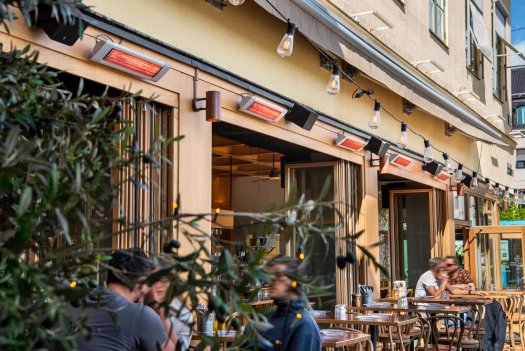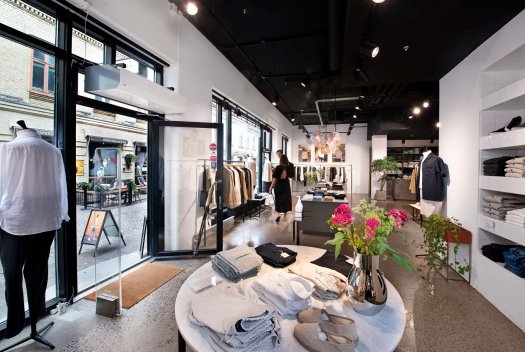
Although reducing energy consumption is often the main reason for installing an air curtain, its benefits extend far beyond energy efficiency.
Search products by name
Air Curtains: What They Are, How They Work and Why They Are an Efficient Solution for Commercial, Industrial, Hospitality and Retail Buildings
#Technical articles
16/9/2024
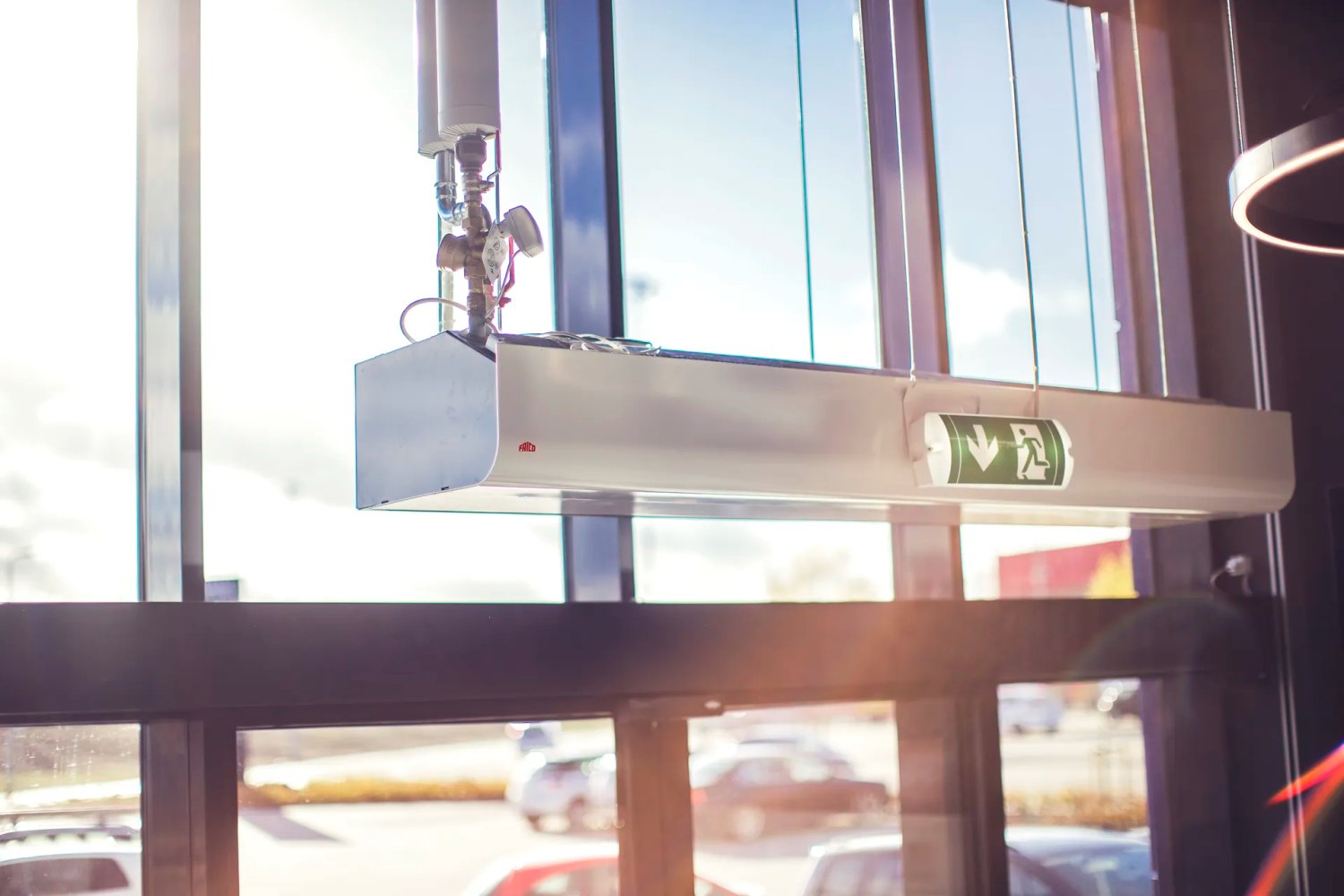
What is an air curtain?
Open doorways are one of the main sources of energy loss in any building. Every time a door remains open, conditioned indoor air escapes while outdoor air enters freely, forcing heating and air conditioning systems to work harder to maintain a comfortable indoor temperature.
Air curtains are designed to minimise this exchange of air between indoor and outdoor environments. By creating an invisible, high-velocity air barrier across the doorway, they help preserve indoor temperatures, improve occupant comfort and reduce the energy required by HVAC systems.
For this reason, air curtains have become a common solution in retail stores, supermarkets, logistics centres, industrial facilities, restaurants, hotels and many other buildings where doors remain open for extended periods or experience frequent traffic.
How does an air curtain work?
Despite its name, an air curtain does not physically block the passage of people, trolleys or goods. Instead, it creates a controlled stream of air that forms an invisible barrier between two environments with different temperatures or air pressures.
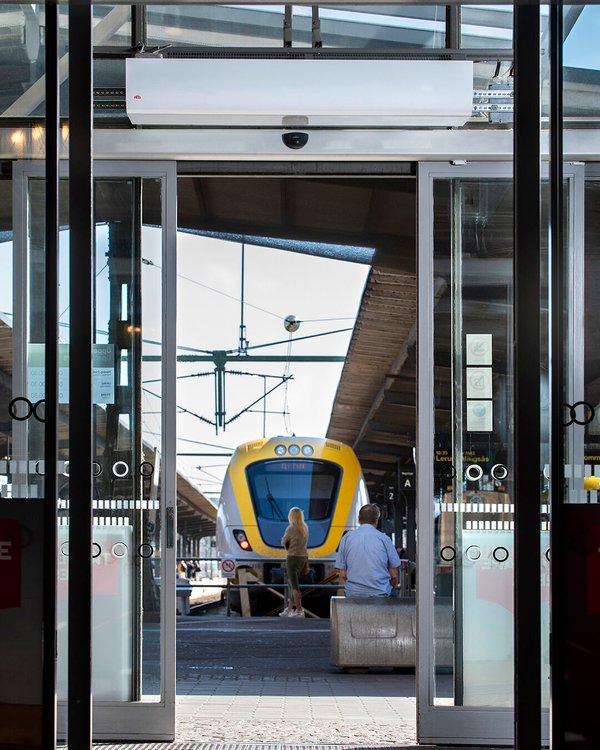
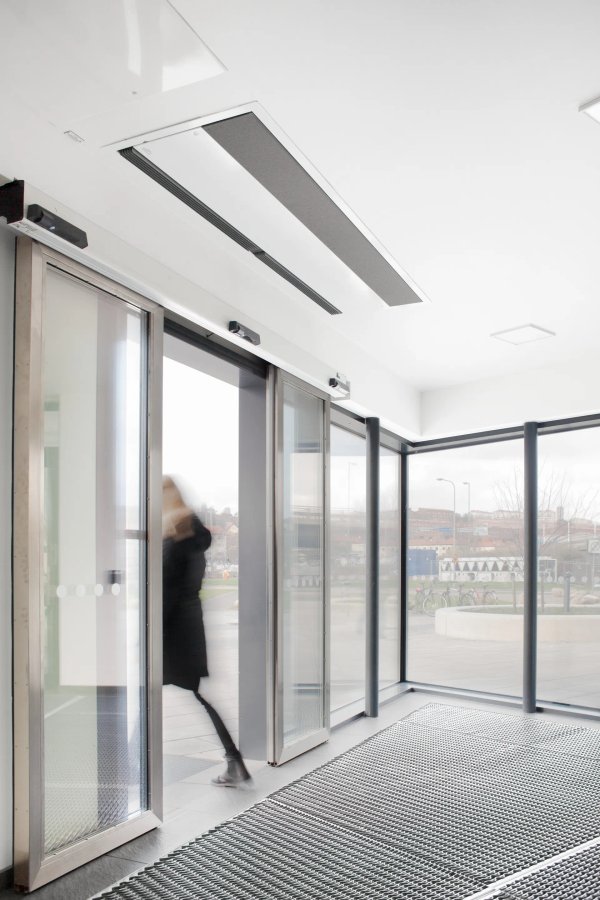
The unit is typically installed above the doorway, although vertical models can also be mounted alongside the entrance where required. The air curtain draws air from inside the building and discharges it through a specially designed outlet at high velocity towards the floor. When correctly selected and installed, this airflow significantly reduces the mixing of indoor and outdoor air.
In winter, it helps retain heated indoor air while limiting the entry of cold outdoor air. During summer, it keeps conditioned air inside the building while reducing the infiltration of warm external air. As a result, air curtains provide energy-saving benefits throughout the year.
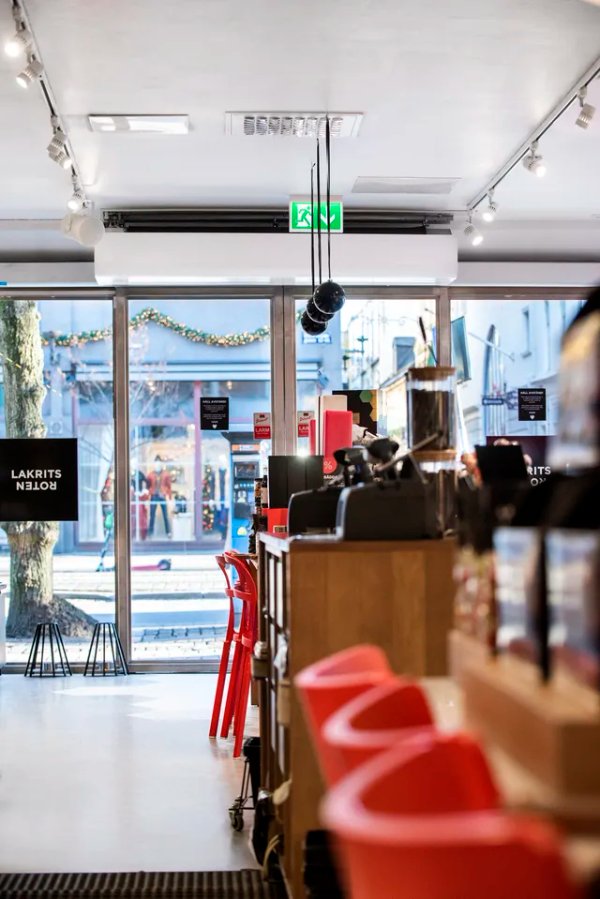

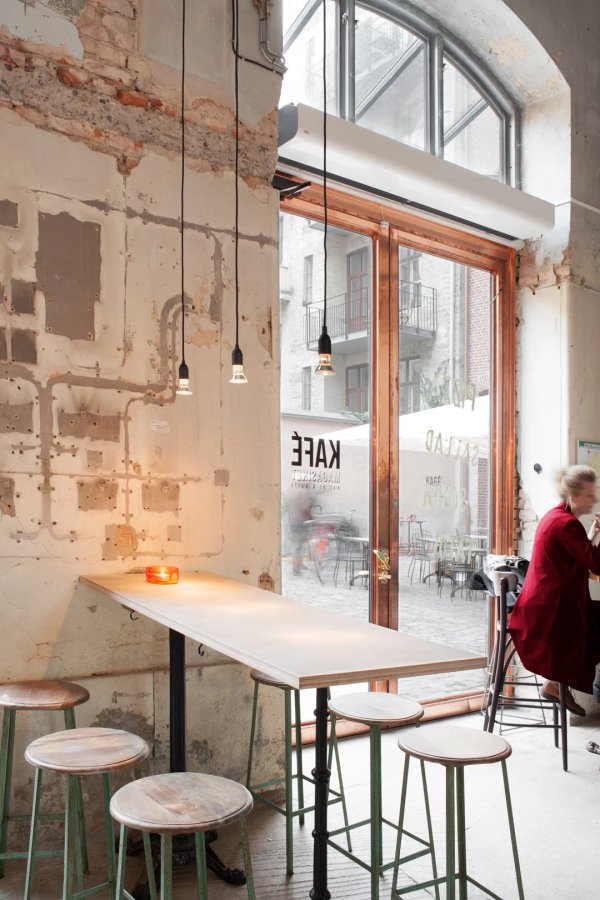
More than an energy-saving solution
The continuous airflow acts as a protective barrier against dust, insects, leaves, smoke, unpleasant odours and other airborne contaminants. It also reduces uncomfortable draughts around entrances, creating a more pleasant environment for customers, employees and visitors.
In sectors such as hospitality, food service and food processing, where cleanliness and customer comfort are essential, these additional advantages make air curtains an even more valuable investment.
How do air curtains improve energy efficiency?
One of the greatest advantages of an air curtain is its ability to reduce the energy losses associated with frequently opened doors.
Whenever there is a temperature difference between the inside and outside of a building, air naturally flows from one area to the other through an open doorway. This continuous air exchange increases the workload of heating and cooling systems. The consequences are easy to identify:
- Higher HVAC energy consumption.
- Reduced indoor comfort.
- Cold or warm draughts near entrances.
- Increased operating costs.
By significantly reducing unwanted air exchange, an air curtain allows HVAC systems to maintain the desired indoor temperature more efficiently.
The actual energy savings will depend on factors such as door height, local weather conditions, building usage and the correct selection of the equipment. However, a properly specified and professionally installed air curtain can reduce the energy losses associated with open doorways up to 80%.
Lower energy consumption also contributes to reducing carbon emissions and improving the overall energy performance of the building.
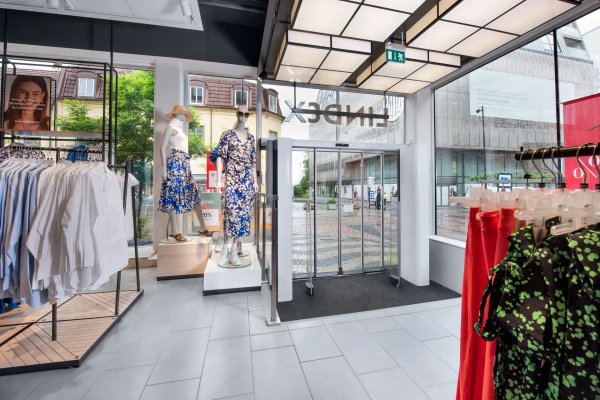
Why airflow quality matters
Not all air curtains deliver the same level of performance.
For an air barrier to be effective, the airflow must remain stable and reach the floor without excessive turbulence. If the air jet loses velocity before reaching the bottom of the doorway or becomes unstable, the separation between indoor and outdoor environments is reduced, lowering the overall effectiveness of the installation.
This is why aerodynamic design, discharge outlet geometry, fan performance and airflow management are critical factors when selecting an air curtain.
These aspects become even more important in buildings with high doorways, heavy pedestrian traffic or significant pressure differences between indoor and outdoor environments.
Among the world's leading air curtain manufacturers, the Swedish company Frico has earned a strong reputation for developing high-quality solutions focused on indoor comfort and energy efficiency.
Thermozone® technology: engineered for maximum performance
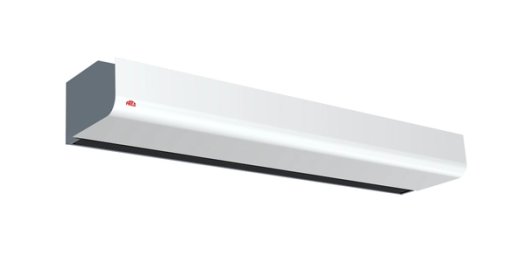
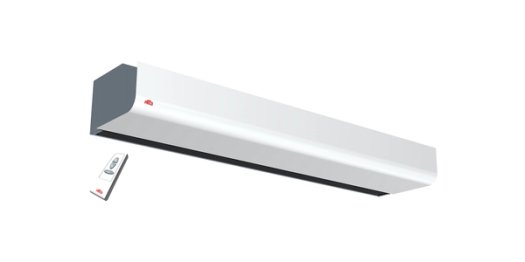
One of the distinguishing features of Frico air curtains is Thermozone® technology, specifically developed to optimise airflow performance.
Its objective is to create a more stable, uniform and efficient air barrier by reducing turbulence while maintaining the correct air velocity across the entire height of the doorway.
Thanks to carefully engineered aerodynamics and optimised airflow distribution, air curtains equipped with Thermozone® technology provide outstanding separation performance while maintaining low noise levels.
The result is improved energy efficiency, enhanced indoor comfort and reliable operation, making Frico air curtains an excellent choice for commercial buildings, industrial facilities and hospitality applications.
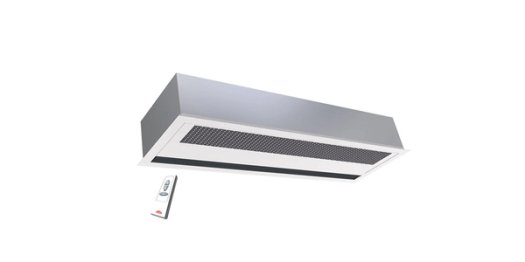
Key benefits of installing an air curtain
- Lower energy consumption
By reducing the exchange of indoor and outdoor air, HVAC systems require less energy to maintain the desired indoor temperature.
- Improved indoor comfort
Occupants enjoy a more stable indoor climate, free from cold draughts during winter and hot air infiltration in summer.
- Protection against external contaminants
The air barrier helps reduce the entry of dust, flying insects, smoke, unpleasant odours and other airborne particles.
- Open doors without compromising comfort
For retail stores, shopping centres and public buildings, air curtains allow entrances to remain open while maintaining a comfortable indoor environment and improving accessibility.
- Better hygiene
In restaurants, commercial kitchens, hotels and food-related businesses, air curtains help reduce the entry of insects and airborne contaminants, supporting cleaner and more hygienic indoor environments.
- Reduced HVAC workload
Because heating and cooling systems operate under lower thermal loads, equipment wear is reduced, maintenance costs may decrease and the overall service life of HVAC systems can be extended.